Do you think you have Eczema?

What Is Eczema?
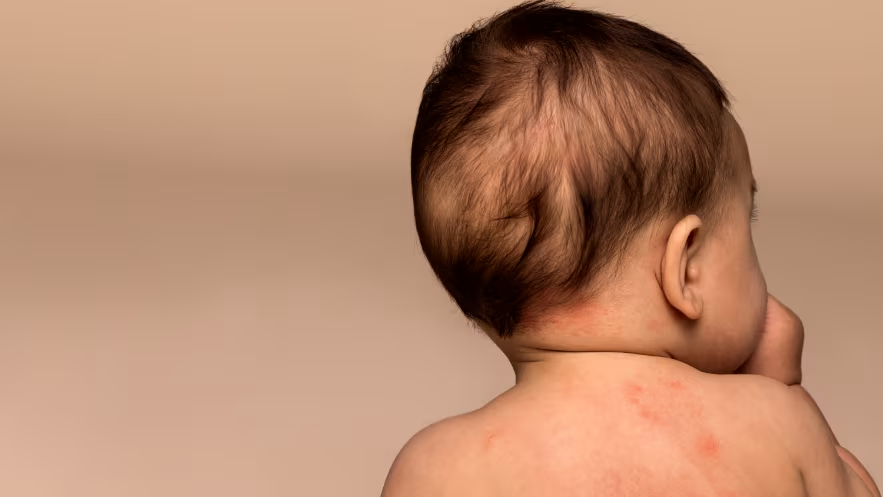
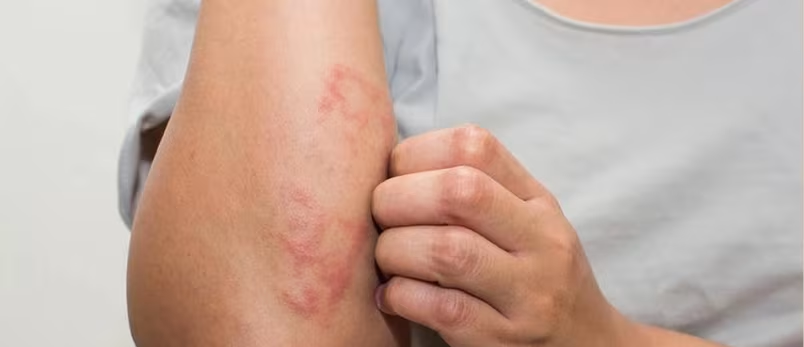
Eczema refers to a group of skin conditions that cause the skin to become red, itchy, and inflamed. Over 30 million Americans have some form of eczema, the most common being Atopic Dermatitis. While eczema affects skin of all colors, the prevalence of eczema is most common and increasing among Black, Asian, and Pacific Islander populations.

What can Eczema look like?


Common symptoms

85% experience itch every day
The most common symptom of eczema is itch. Research shows more than 85% of people with eczema experience itch every day. For many people, the itch can range from mild to moderate. Up to 30% of people rate sleep disturbance as their most or second most burdensome symptom.
Still, eczema and its symptoms are different for everyone. You may have all or just a few of the symptoms below. There may be times your symptoms go away, and other times when you have flare-ups. The best way to find out if you have eczema is to consult with a healthcare professional.
Itchiness

Dry, sensitive skin

Rough, leathery, or scalpy patches

Sleep disturbance

Inflamed, Discolored skin

Oozing or crusting

Why do people get Eczema?
The causes of eczema comprise a complex mix of factors, including genetics, skin barrier function, and environment. You may be at higher risk of developing eczema if a parent, sibling, or other close relative has it. Additionally, environmental factors are thought to play a significant role, and eczema rates tend to be higher in urban settings where there are higher levels of environmental pollutants. Factors like harsh soaps, detergents, and certain clothing fabrics can also trigger eczema flare-ups.
Eczema triggers & treatments
While there is no cure, eczema can be managed by identifying and avoiding the things that may cause flare-ups and establishing a daily skincare routine. Learning how to treat eczema can set you up for a more comfortable lifestyle.

Irritants
Soaps detergents & dryer sheets
Hot showers & certain shampoos
Disinfectants like chlorine
Fragrances & dyes
Wool or other coarse fabrics
How To Reduce Trigger
Wash new clothes before wear.
Use dye-free and fragrance-free products.
Use sunscreens made for sensitive skin.
Wear loose fitting and breathable clothing.

Food
Dairy products
Eggs
Nuts and seeds
Wheat
How To Reduce Trigger
If you suspect a food is making eczema symptoms worse, see your doctor. You may be asked to keep a diary to help identify one or more suspect foods.

Allergens
House dust mites
Pets
Pollen (seasonal)
Molds
How To Reduce Trigger
Vacuum and wet-dust floors and furniture regularly.
Limit soft toys and wash often.
Groom pets regularly to reduce danger.

Stress
Anxiety
Anger
Frustration
Stress-induced habit scratching
How To Reduce Trigger
Exercise regularly.
Eat a healthy diet.
Avoid caffeine and alcohol.
Practice meditation.

Environment
Hot or cold temperature
High or low humidity
Tobacco smoke
Traffic pollution
Water hardness
How To Reduce Trigger
Try to maintain an even temperature and humidity in your home. Hot temperatures can cause sweating which can trigger eczema.
How to Manage Eczema
Frequent use of moisturizers for eczema are considered first-line therapy for the symptoms of eczema. Trigger avoidance and gentle cleansing with a daily moisturizer for eczema are essential, even when you are not experiencing an itchy, dry skin flare-up.
Easing Eczema symptoms
Eczema treatment is similar in people of all races and ethnicities. Goals of treatment include relieving itch and hydrating to help restore the skin moisture barrier. Everyday treatment tips include:
Limit showers to 15 minutes using lukewarm water.
Use gentle cleansers that have been tested on sensitive skin.
Avoid harsh abrasives and loofahs.
Gently pat skin dry. Don’t rub.
Apply moisturizers to damp skin.
Avoid scratching.
Wear sunscreen.