




Is Your Skin Sensitive?
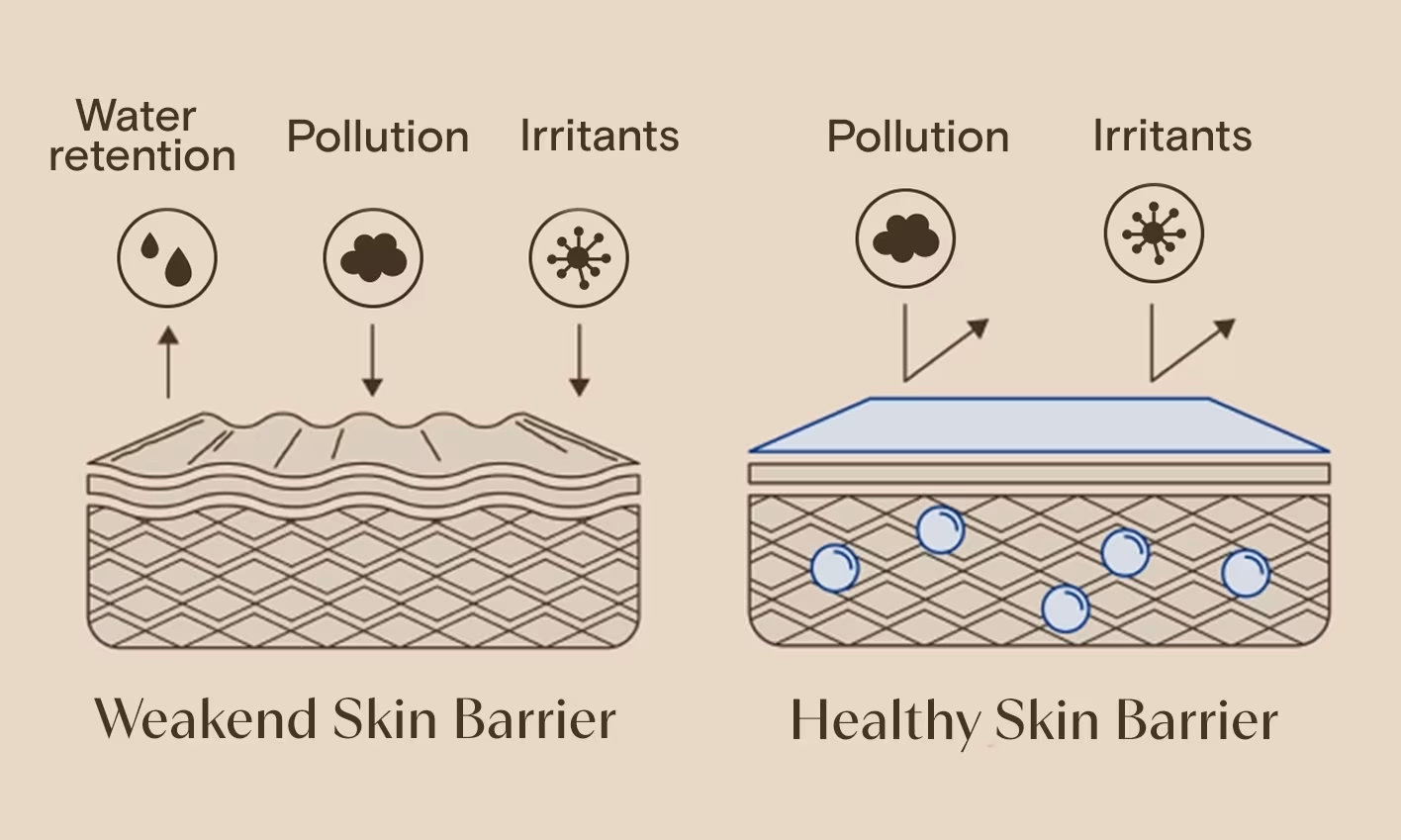
Sensitive skin is caused by nerve endings in the top layer of the skin becoming irritated. It's often the result of damage to the skin’s protective barrier – allowing irritants and allergens to penetrate the skin and cause redness. Nearly half of all people say they have sensitive skin. Think you're one of them? Sensitive skin is characterized by a feeling of:
Tightness
Dryness
Itching
Burning
Redness
Skin sensitivity can be triggered by multiple factors.
While some people are genetically predisposed to sensitive skin, many others are sensitized by their environment and lifestyle. Sensitive skin triggers include:
Ultraviolet radiation
Smoking
Alcohol
Diet
Hormonal fluctuations
Cosmetic / medical procedures
Cosmetics
Soap
Chemical / synthetic dyes
Temperature changes
Pollution
Stress
Skin sensitivity can affect anyone, especially when the skin is in a more delicate or vulnerable state.
While some people are genetically predisposed to sensitive skin, many others are sensitized by their environment and lifestyle. Sensitive skin triggers include:
Red Skin
Itchy Skin
Dry Skin
Cracked, Flaky, Scaling Skin
Oncologic Dry Skin
Diabetic Dry Skin
Psoriatic Dry Skin
Eczematic Dry Skin
How can sensitive skin symptoms affect quality of life?

Baby Eczema
of children with Eczema experience sleep disturbances1

Diabetes
up to 97% of people with Diabetes experience a skin-related disorder5

Mental Well-Being
of people with skin conditions like acne or rosacea experience psychological disorders9

Rosacea
rosacea patients say their condition lowers their self-confidence and self-esteem2

Psoriasis
of Psoriasis patients suffer from itching6
Cancer
of all side effects for some systemic cancers therapies are dermatological7,8

Adult Eczema
of people experience itching on a daily basis3,4

Depression
those with eczema face a 3x times higher risk of anxiety or depression10,11,12

Lifestyle changes can help soothe sensitive skin:
Detox
Rid your routine of environmental irritants in your personal care items, laundry items, household cleaners, furniture, paint, etc.
Be wary of bacteria
This means replacing your washcloth and pillowcase more often and tossing out old makeup and cosmetic products. Wash your makeup brushes often and let them air dry.
Test new products
When you’re trying a new product, always test it on your wrist, arm, or behind the ear first before putting it on your face or more broadly on your body.
Avoid your triggers
As much as you can, avoid common triggers like harsh soaps, alcohols, and fragrances. Check the labels on your skin care products.
Use a humidifier
Unless you live in a humid climate, use a humidifier to help your skin stay moisturized.
Manage stress and establish a healthy sleep schedule
Stress and sleep are significant lifestyle factors that can affect skin health.
Here are a few tips: